
What is Growth Mindset Hockey?
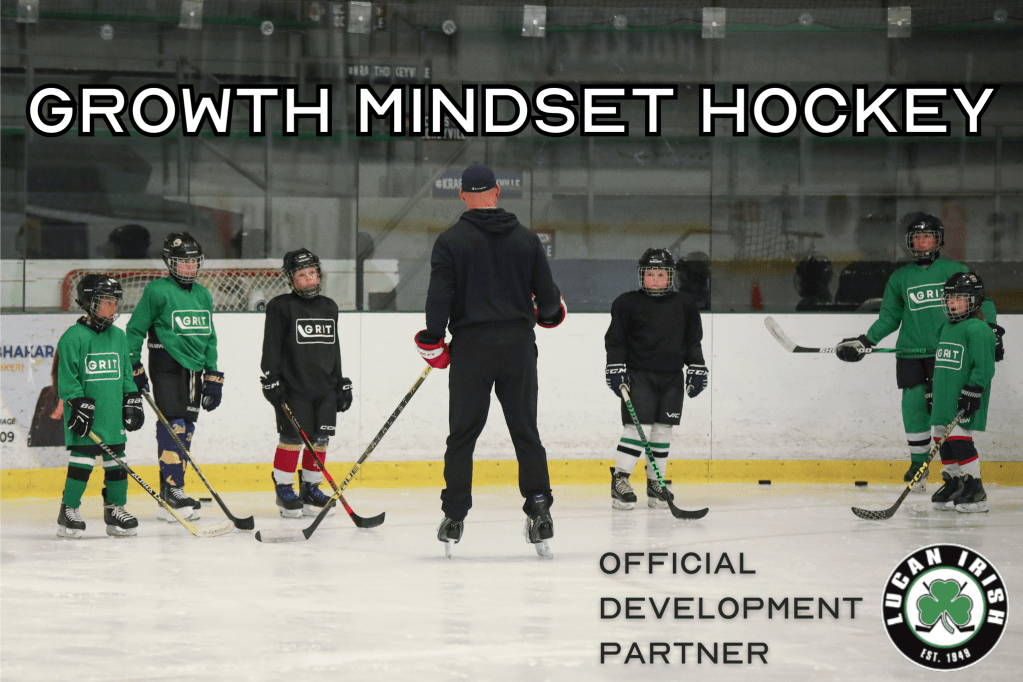
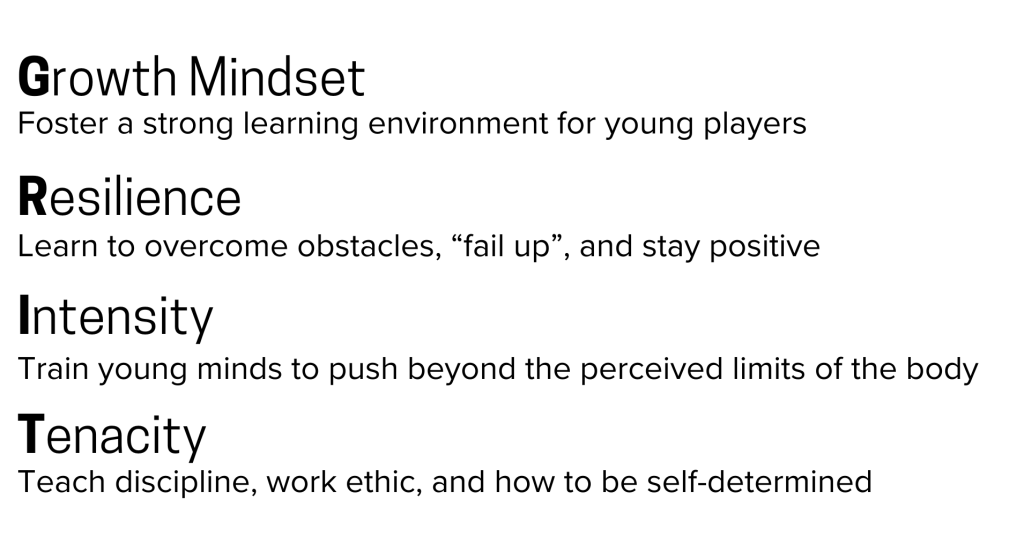
Skill alone doesn’t equal success. Players who reach their potential possess an uncommon mindset combined with vision and strong team play. GRIT Hockey doesn’t just focus on tactics. We foster the discipline, resilience, and confidence required for a young player to reach their full potential- both in sport and in life.
How we talk to kids; how we encourage, motivate, and keep them focused is an art form. Development isn’t about what you do, but how you do it. We teach kids to be coachable, attentive, and self-determined, all while mastering the fundamentals of smart, modern hockey.
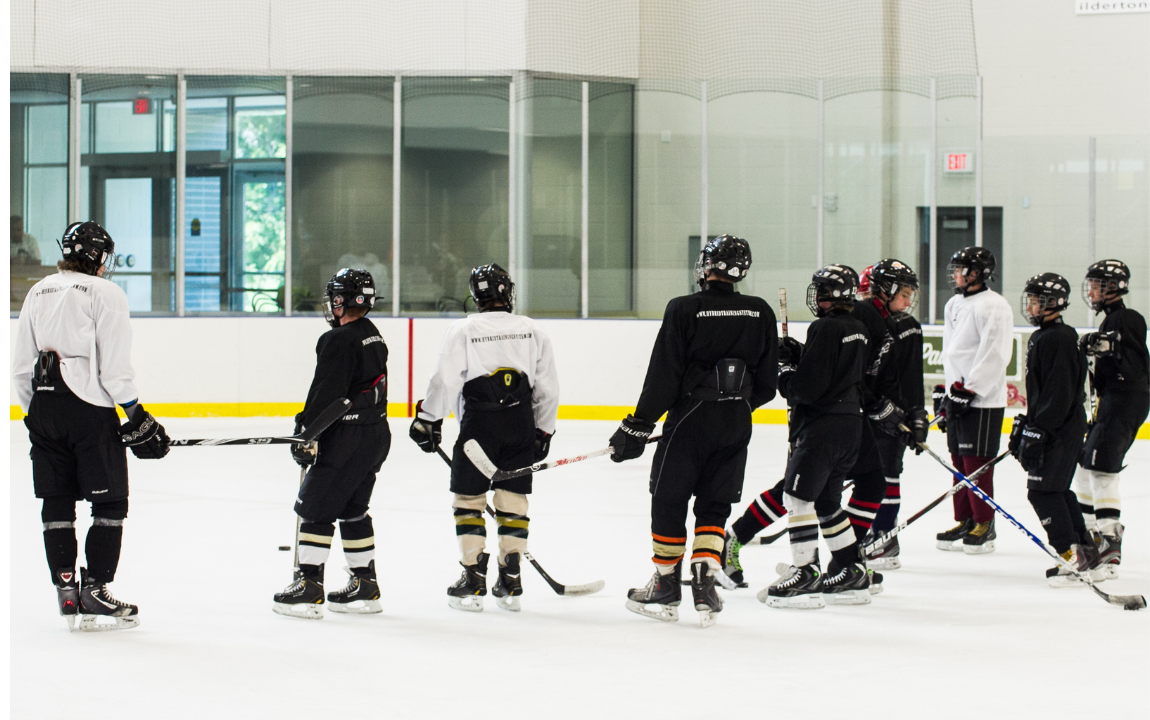
About GRIT Hockey
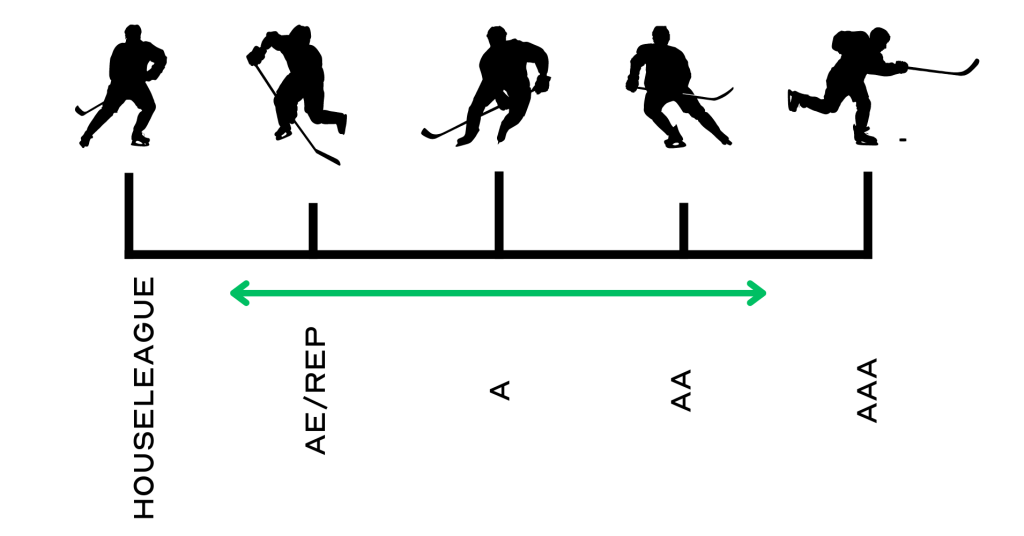
We work with minor hockey players from ages 7-14 when physical and emotional development is most critical. We focus on players between Rep and AA levels who aspire to compete at a higher level of sport.
We believe in:
Attitude over Aptitude: early talent does not equate to long-term success, and players with the right attitude often surpass highly talented teammates as the years go by. We teach young players to build year-over-year while playing the right way.
Empowerment over Pressure: coaches have made the game too serious for young kids. Pressure to perform before the teen years destroys creativity and paralyzes players, thus, preventing accelerated growth. We want kids to be competitive and focused, but if they don’t have the freedom to make mistakes, a LOT of them, they won’t reach their true potential.
Effort over Expectations: young players need to learn that work ethic, regardless of the outcome, is where reward lies. When winning, points, and other meaningless metrics become the primary source of praise (instead of ethic and effort), we foster a mindset of selfish play and psychological fragility. A player can’t always control the scoresheet, but they can always control their effort.
Fundamental over Flashy: elaborate drills with the latest tools may give the appearance of being cutting edge, but during minor development we must obsess over the fundamentals. The players who master the basics always outshine those who spend their time on toe-drags and obstacle course style training.
What We Offer
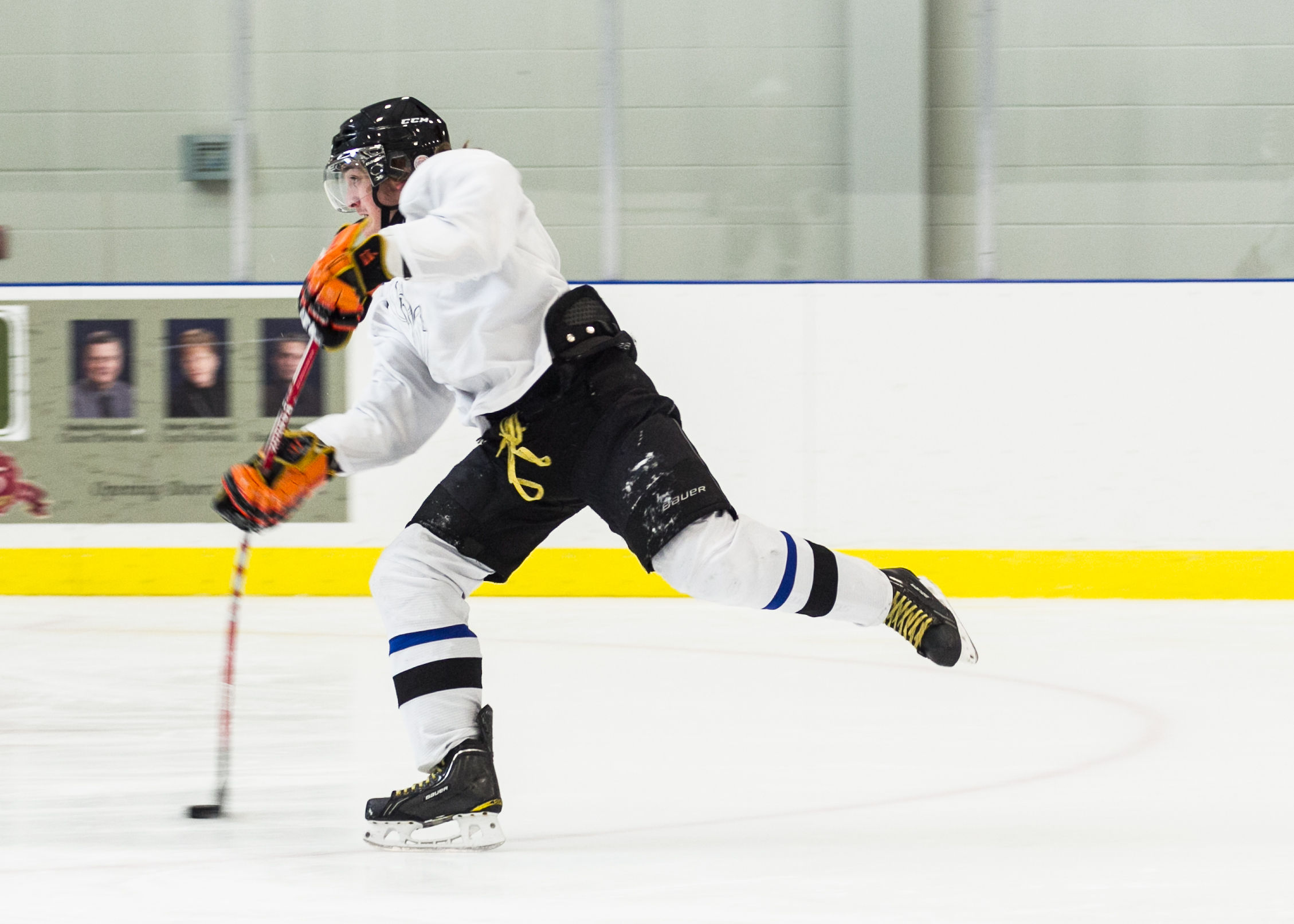
Drop In Skills and Weekly Skates: in our drop in Skills sessions we teach the fundamentals of skating (edge work, stride mechanics, speed, shiftiness, and momentum) puck control (proper handling, puck protection, offensive and defensive tactics), and both individual and game strategy. We ensure that each session is age and ability appropriate so the players on the ice see the most meaningful progression. In our weekly Skates, we run 5-10 week blocks at regularly scheduled session times where players in the group build their skills in a progressive manner.
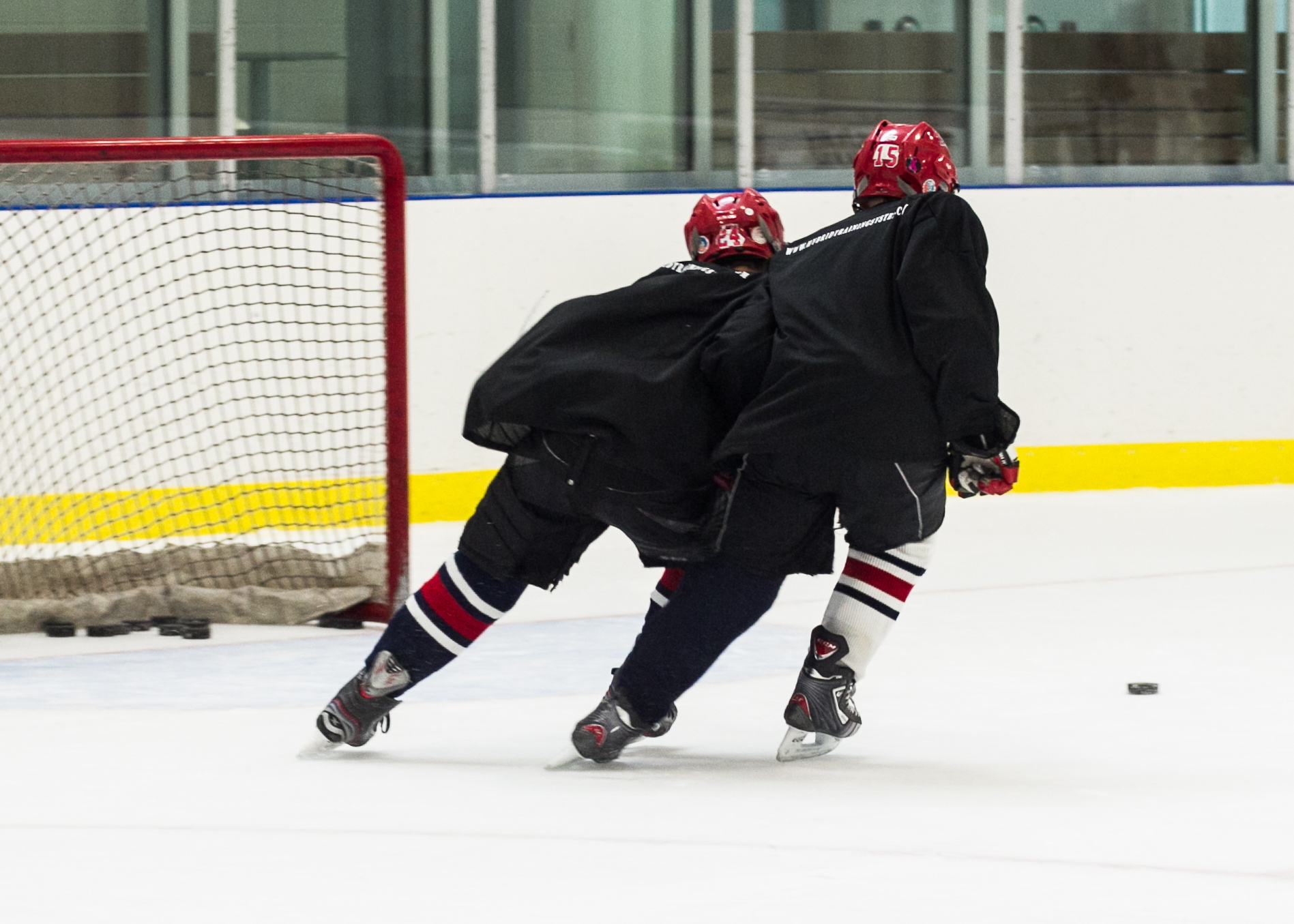
Controlled Scrimmages: in our controlled scrimmage we teach players how to properly play positional hockey, manage space, and master team play. In these sessions we routinely stop play at key points to teach proper game strategy and decision making while keeping a fast pace and strong flow.
Dryland Training: we provide state of the art Dryland training from ages 8-16. In our Lucan and London training facilities, we offer various programs that give distinct athletic advantages to our players. Our philosophy is backed by the strongest sports science and what we do in the gym translates to the ice. To learn more about Dryland Training with GRIT, follow this link.
Immersion Camps: Throughout the year our immersion camps integrate all aspects of the GRIT formula, including in-ice sessions, Dryland training, SAQ, and mindset development. Camps are typically 3-5 days in duration from 4-6 hours per day.
Spring Hockey: In 2025-2026, GRIT will introduce our Spring Hockey program where players can continue developing their game play and competing during the warmer months.
To learn more about our on-ice philosophy, click here.
If you’re interested in any of these services, please hit the button below to get on our contact list.
About Us

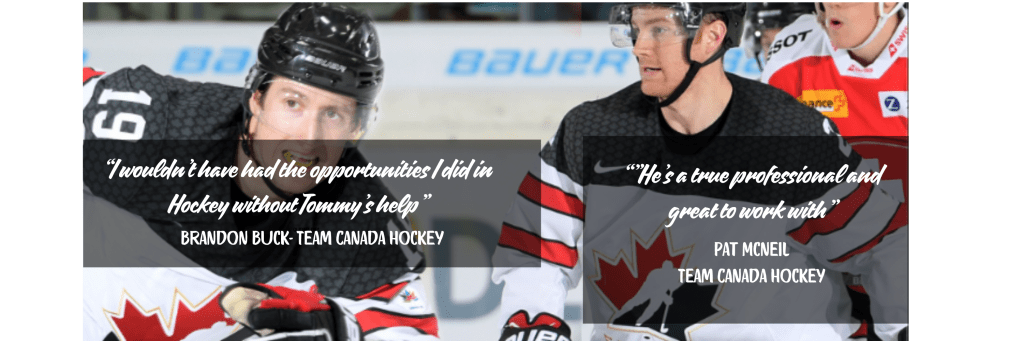
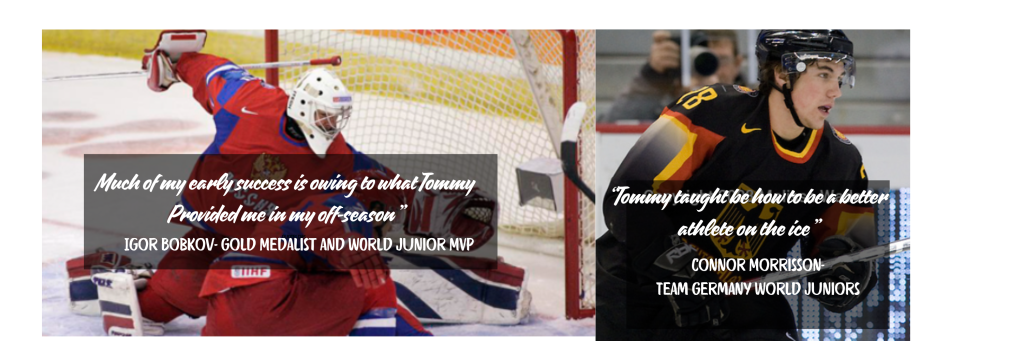
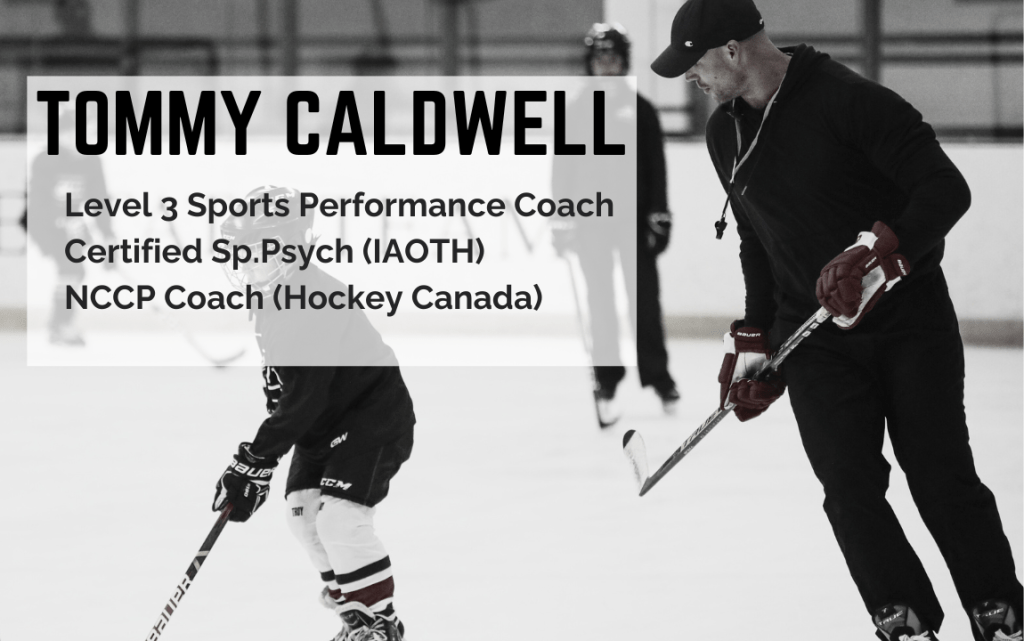
GRIT Hockey was created by long-time sports performance coach, Tommy Caldwell. Tommy has spent the last 15 years working with some of the Nation’s best athletes, including international players from Team Canada, Germany, and Russia’s World Junior programs.
In his coaching, Tommy recognized that players with natural talent often failed to perform when competition intensified. Meanwhile, less “talented” athletes with particular attributes managed to continue their development well into their late teens and into adulthood.
Minor players with unlimited natural ability would crumble when competition became stiff. On the other hand, less touted minor players who didn’t suffer from the pressure of expectation could thrive year-after-year, eventually surpassing the players who once dominated their age group.
 The Lucan Fitness Alliance