

Young athletes often race to enhance their performance in sports and athletics, seeking every advantage to excel in their chosen field. One often overlooked yet crucial aspect of athletic development is Peak Height Velocity (PHV). Understanding PHV and its implications in strength training and future capability is paramount for coaches, parents, and athletes alike, as it can significantly impact a child’s ability to perform as they grow.
What is Peak Height Velocity?
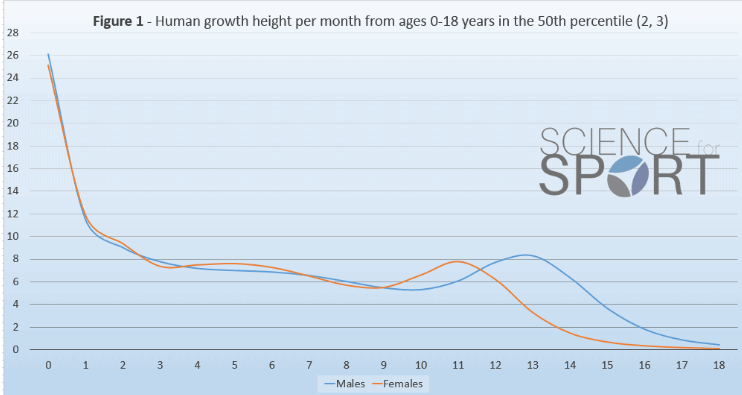
Peak Height Velocity refers to the period during adolescence when an individual experiences their most rapid growth in stature. It typically occurs between 11 and 13 years of age, with girls entering the phase earlier than boys (although individual variations exist). During this critical period, significant physiological changes occur, including accelerated bone growth, muscle development, and hormonal fluctuations, all of which profoundly influence athletic performance.

Why is Training During PHV Important?
- Timing is Key: PHV marks a pivotal juncture in an athlete’s physical development. It signifies a period of heightened responsiveness to strength training stimuli due to increased hormonal activity and bone growth. Utilizing appropriate training modalities during PHV can capitalize on this unique window of opportunity, maximizing strength gains and athletic potential.
- Injury Prevention: Young athletes are particularly susceptible to injuries due to strength, flexibility, and coordination imbalances. Incorporating strength training tailored to PHV can help mitigate injury risks by improving muscular strength, joint stability, and neuromuscular control. By strengthening muscles and supporting structures, athletes are better equipped to withstand the demands of their sport while minimizing the likelihood of overuse injuries.
- Long-Term Athletic Development: The benefits of strength training during PHV extend far beyond immediate performance gains. By laying a solid foundation of strength and motor skills during this critical period, athletes establish a framework for long-term athletic success. Enhanced strength, power, and coordination acquired through strategic training can serve as a springboard for continued improvement throughout their sporting career.
- Optimizing Performance: Strength is fundamental to athletic performance across virtually every sport. During PHV, the body is primed to adapt to strength training stimuli, resulting in accelerated gains in muscle mass, power output, and force production. By harnessing this adaptive potential, athletes can enhance their performance on the field, track, court, or arena, gaining a competitive edge over their peers.
How to Implement Strength Training during PHV
- Individualized Approach: Recognizing that PHV varies among athletes, it’s crucial to adopt an individualized approach to strength training. Conducting assessments to determine each athlete’s stage of development, physical capabilities, and training readiness allows coaches to tailor programs to their specific needs and goals.
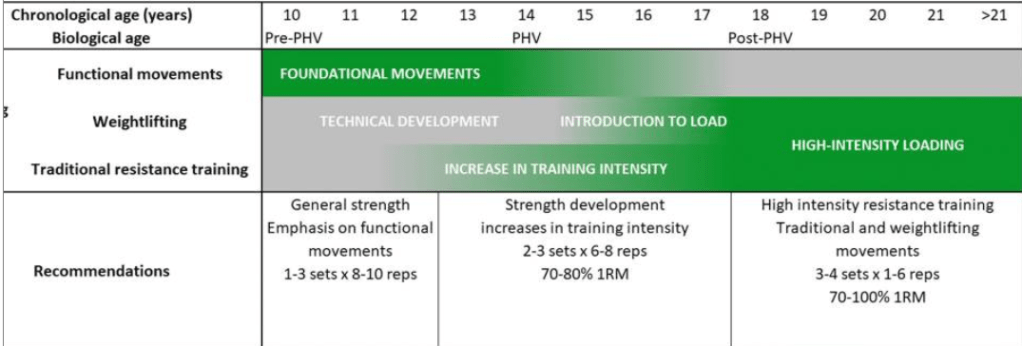
- Focus on Technique: Emphasizing proper technique and movement mechanics is paramount, particularly during the formative stages of strength training. By mastering fundamental movement patterns and lifting techniques, athletes develop a solid foundation of strength while reducing the risk of injury.
- Progressive Overload: Gradually increasing the training stimulus through progressive overload is essential for stimulating continued adaptation and growth. Incrementally adjusting training volume, intensity, and complexity ensures ongoing improvements in strength and performance while minimizing the risk of overtraining or burnout.
- Comprehensive Approach: Strength training should be integrated into a comprehensive training regimen that addresses all aspects of athletic development, including mobility, agility, speed, and endurance. Balancing strength training with sport-specific skill work and recovery strategies optimizes overall performance and reduces the likelihood of overemphasizing any single component.
Training Early Matters
Peak Height Velocity represents a critical period in the physical development of young athletes, presenting a unique opportunity to enhance strength, athleticism, and performance. By understanding the importance of PHV and implementing strategic strength training protocols tailored to this stage of development, athletes can unlock their full athletic potential while minimizing injury risks and promoting long-term success. Investing in proper training and support during PHV lays the groundwork for a lifetime of achievement in sports and beyond.

Are you looking to take advantage of this training window with your young athlete? At the LFA, we’re running off-season youth hockey development, StrongKids, and General Athleticism programs. Email us at contact@lucanfit.ca to learn more about how to register for these programs.
 The Lucan Fitness Alliance
Leave a comment